A ticket to the Fine life
Pedigree. It’s a word manufacturers love to borrow, but rarely one they truly own. It can’t be engineered overnight or conjured up in a marketing meeting, it’s earned.
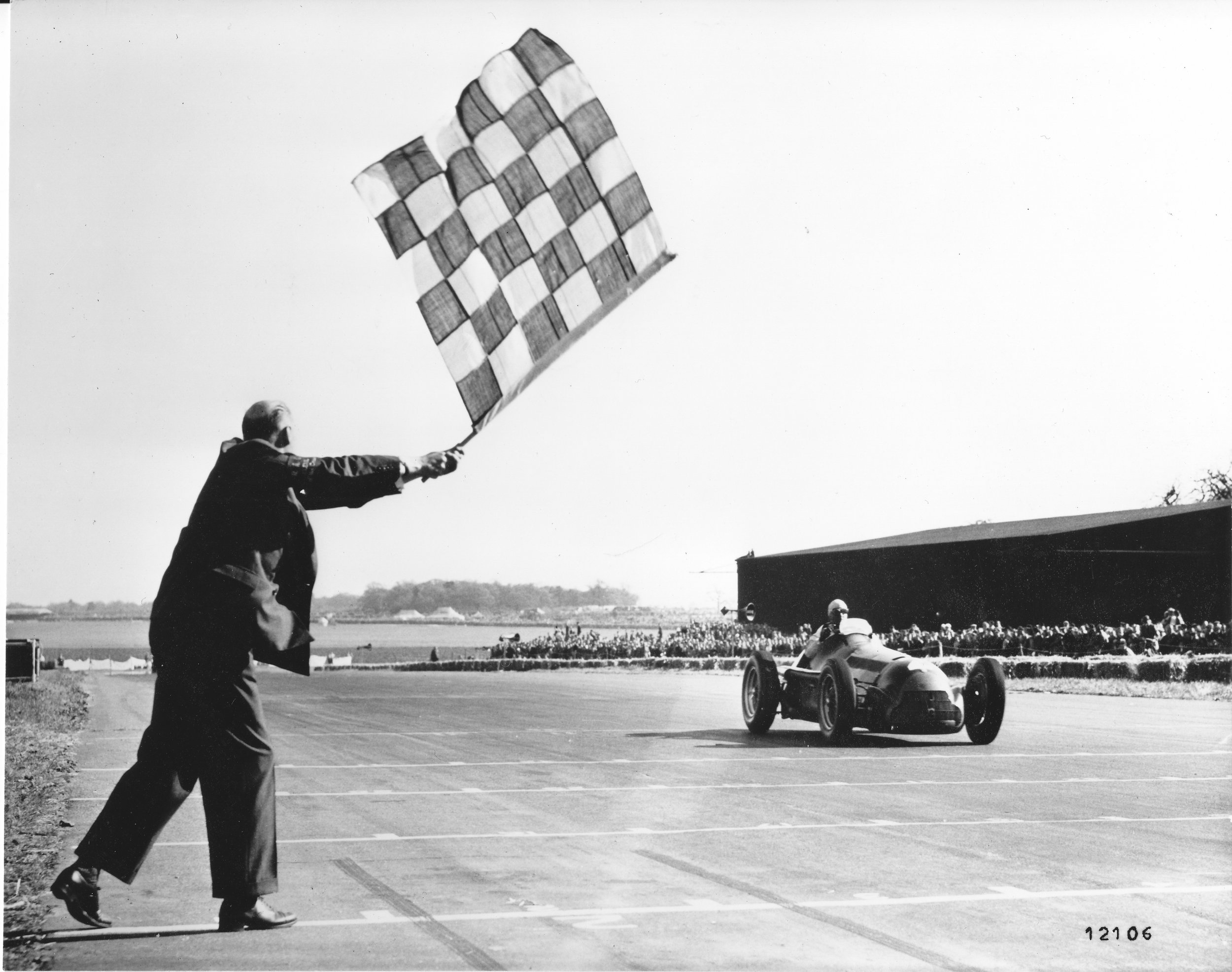
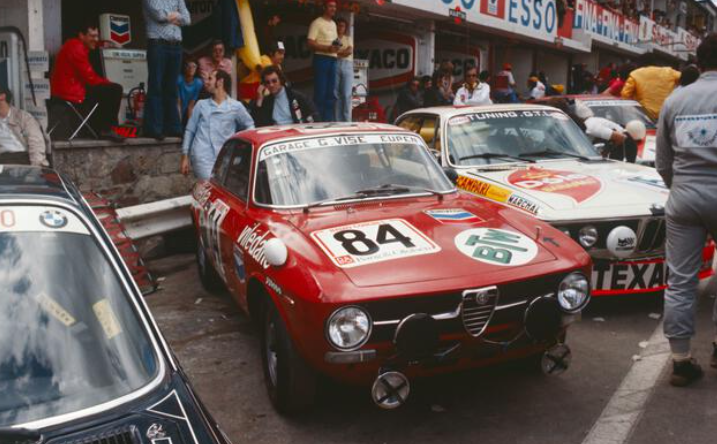
For Alfa Romeo, it was never something to chase. Racing wasn’t an extension of the brand, it was the brand. When the dust settled on the inaugural Formula One World Championship in 1950, and again in 1951, it was Alfa Romeo that emerged victorious with its flagship Alfettas: the 158 and 159.
But as the 1950s gave way to the 1960s, Alfa Romeo struggled with financial issues and shifted gear to focus on their road cars, but that sense of success never disappeared. It lingered in the curves of the bodywork, the gleam of the badges, the very idea of what an Alfa Romeo represented.
For a younger generation it became something to chase. These weren’t just racing victories buried in newspaper columns or a short crackling through the radio or TV, they were invitations into another world. The Alfettas carried the glamour of success, performance, and sophistication, a life that felt excitingly close, yet still just beyond reach. To the youth watching on, owning an Alfa Romeo wasn’t simply about having a car. It was about having a piece of that world for themselves.
A ticket, in its own way, into the fine life.
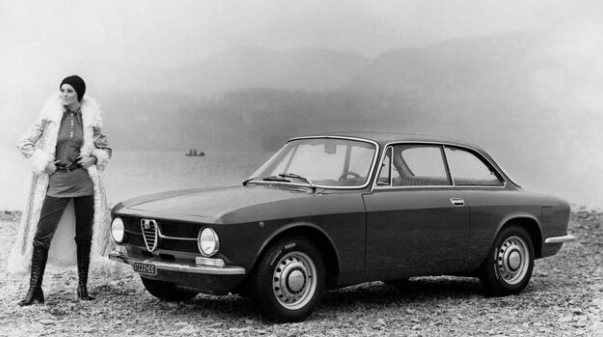
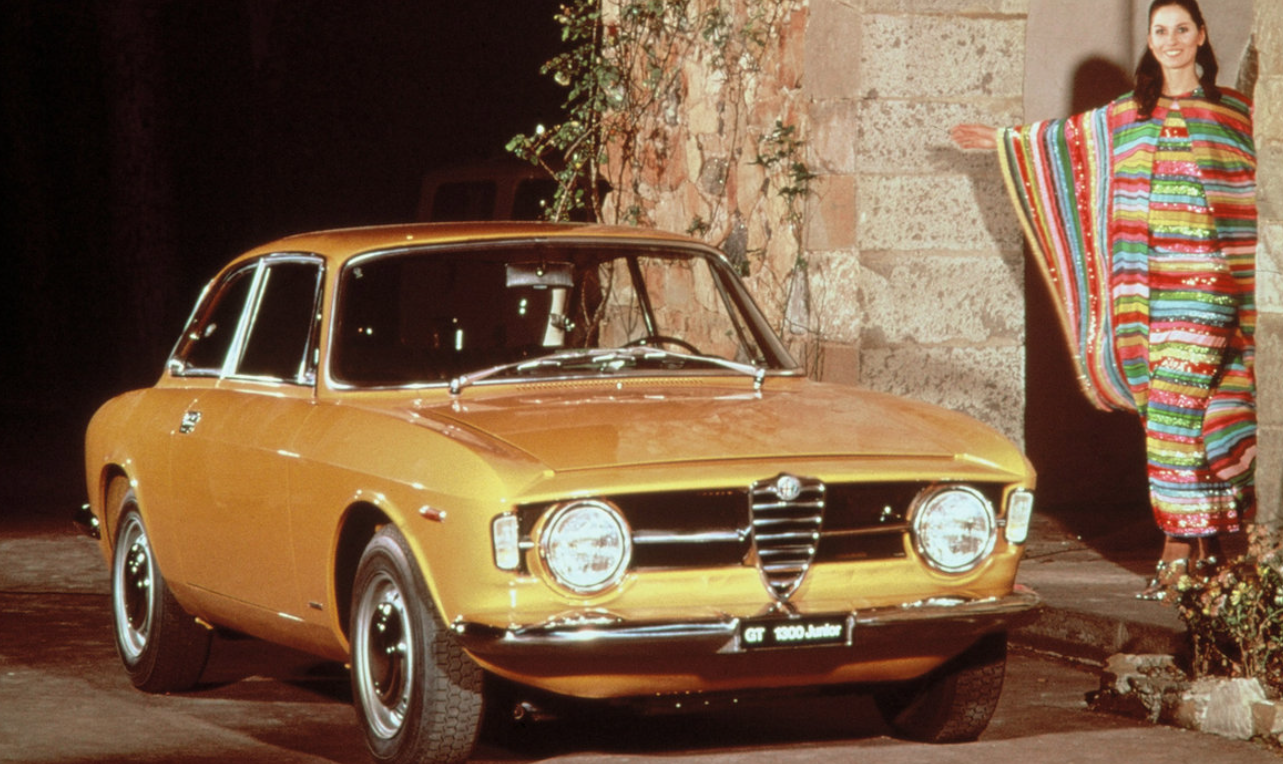
Enter the invitation. The Alfa Romeo GT Junior, designed by a young Giorgetto Giugiaro at Bertone as part of the 105-series Bertone coupé line-up, alongside the Sprint GT, the GTVs, and later the 1750 and 2000 models. But while those cars carried more power and perhaps, more status, it was the Junior that became the most successful. Over 91,000 1.3-litre cars were produced between 1965 and 1977, making it the car that exposed Alfa Romeo’s character to the widest audience.
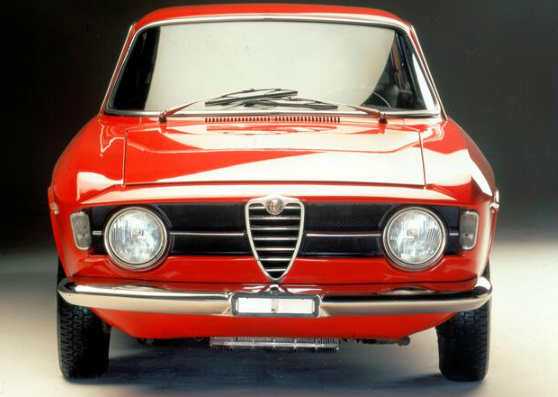
The design is one of outstanding simplicity and flow. The square nose, squat stance and sloping rear give this car away as something that is willing to continue that racing heritage, provide a taste of that racing pedigree these young men and women were striving for whilst providing the style that is synonymous with the words Alfa Romeo.
At around 930 kilograms, the GT Junior feels light and responsive, never relying on power to create involvement. Instead, it’s the combination of weight, balance, and simplicity that defines it. Inputs are met with immediate reactions, and the whole car feels cohesive in a way that’s increasingly rare.
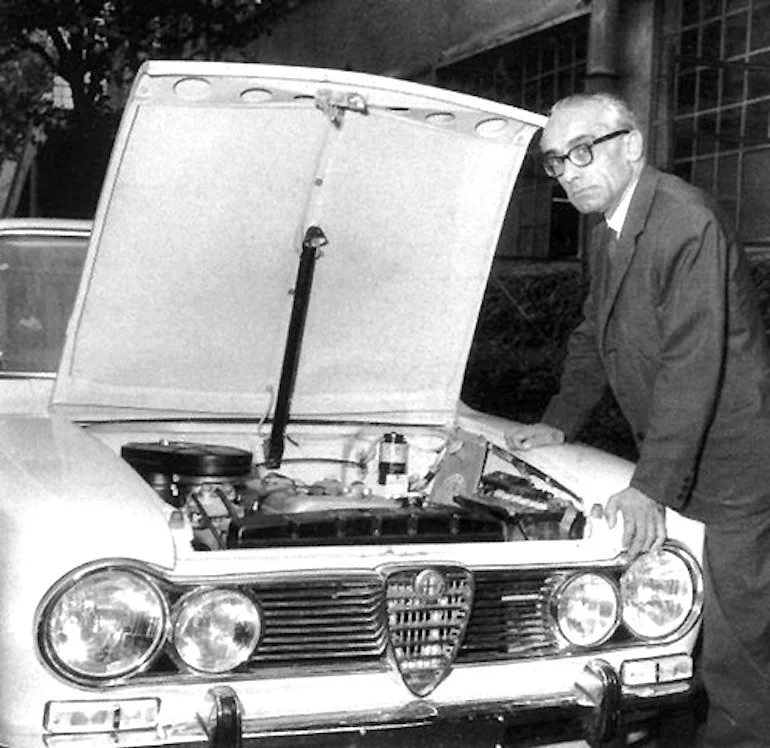
At its heart is the 1290cc all-aluminium twin-cam engine, developed under Orazio Satta Puliga, Early 1.3s in particular are known for their eagerness, pulling cleanly through the rev range and encouraging you to explore the upper end, where they come alive at around 7000rpm. At idle, there’s a slight tremor through the car, a subtle reminder of its mechanical nature. Blip the throttle and there’s an immediate response, a small twist that connects you directly to the engine. Out on the road, the sound develops into something unmistakably Alfa Romeo: a compact, slightly raw rumble that builds with intent as the revs climb.
It’s an engine you work with, rather than one that does everything for you.
It doesn’t rely on performance figures or prestige to define itself. Instead, it offers something more accessible, yet no less meaningful, a car that delivers enjoyment through balance, response, and character. Alfa gave the world a way in, rooted in racing success, cultural identity, and a clear philosophy, and as a result, created something that ages like fine wine.