Simplicity never goes out of style
The phrase ‘ageing like fine wine’ is thrown around liberally, often accompanied by an aversion of the eyes, a polite smile, and occasionally a generous amount of exaggeration. But sometimes it’s true. Sometimes a person, a wine, or a car genuinely grows more compelling with time.
The MGA is one of those cars.
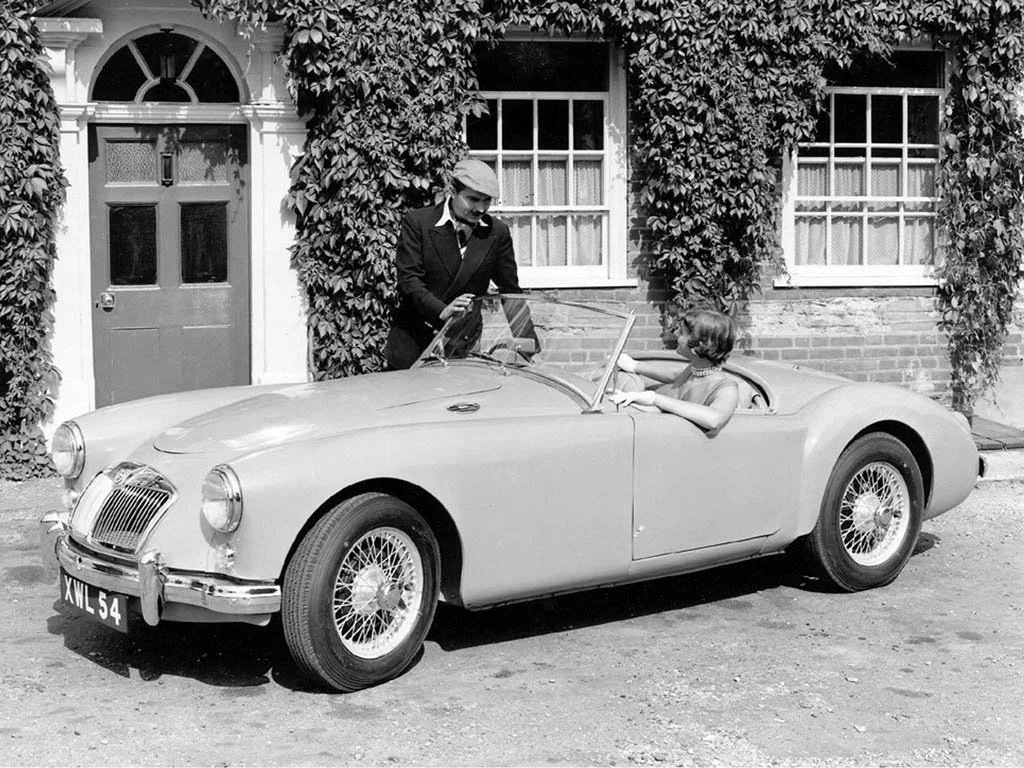
Few machines embody the idea of ageing gracefully quite like MG’s first truly modern sports car. Nearly seventy years after its launch, the MGA feels more considered than ever. The proportions are balanced, the curves understated, and the overall shape carries an air of relaxed confidence that many cars struggle to achieve. It is the kind of design that doesn’t shout for attention, but instead earns admiration the longer you look at it.
Part of the MGA’s ability to age so gracefully lies in the way it came into the world.
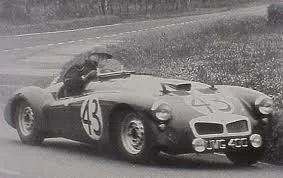
In the early 1950s, MG designer Syd Enever was asked to create a more aerodynamic body for a racing MG TD being prepared for Le Mans by privateer George Phillips. The result was a smooth aluminium-bodied prototype that looked dramatically different from the upright, pre-war MG sports cars of the time. This move toward modern pontoon styling marked a clear shift in MG’s design direction, and from that idea the MGA was born.
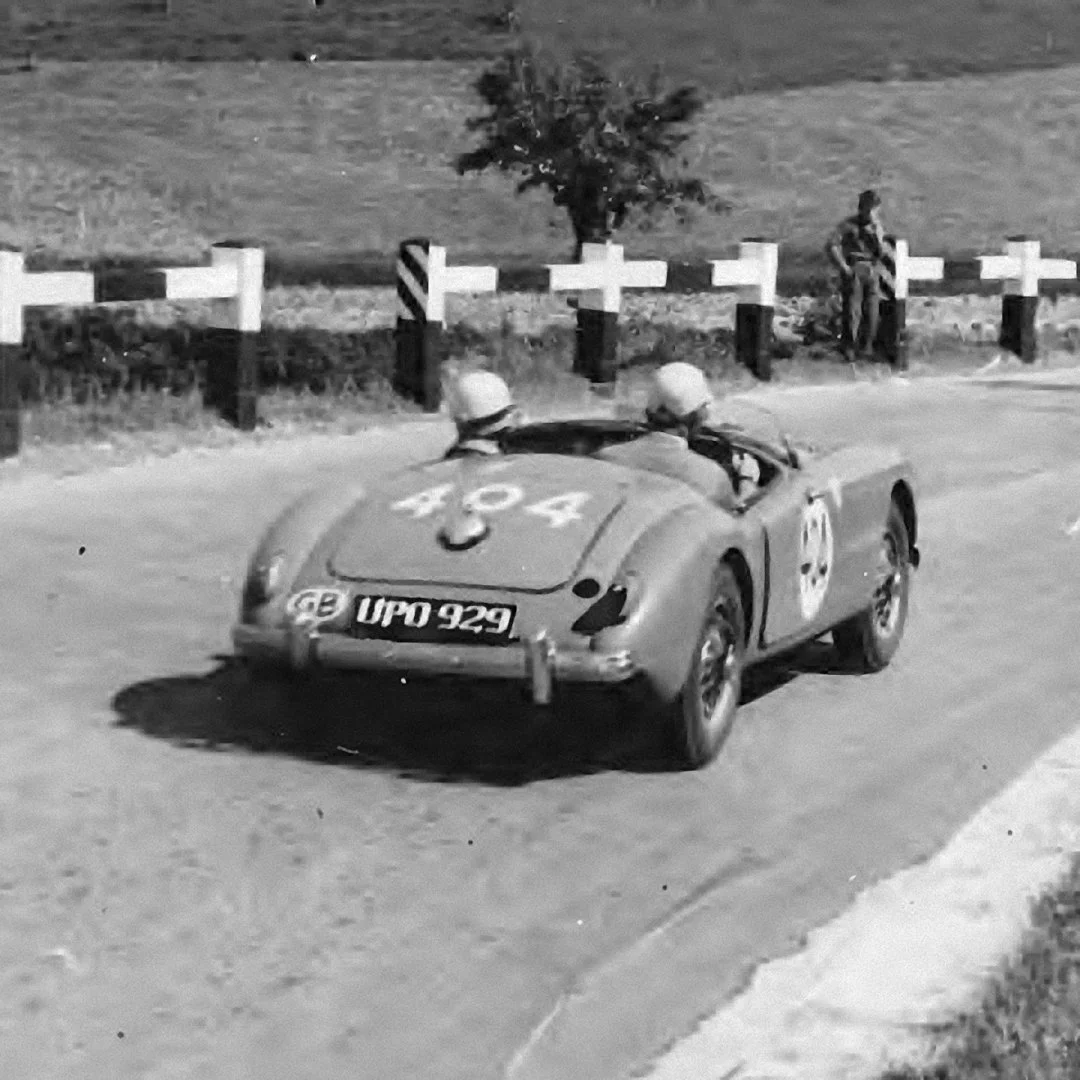
When the production car arrived in 1955, it proved to be more than just a handsome design. The MGA handled with a confidence earlier MGs lacked and offered performance that made it a genuine driver’s car rather than simply a charming one. Record-chasing machines based on MGA engineering were taken to the Bonneville Salt Flats, where the sleek EX181, driven by Sir Stirling Moss and later Phil Hill pushed MG’s engines to extraordinary speeds, exceeding 245 miles per hour.
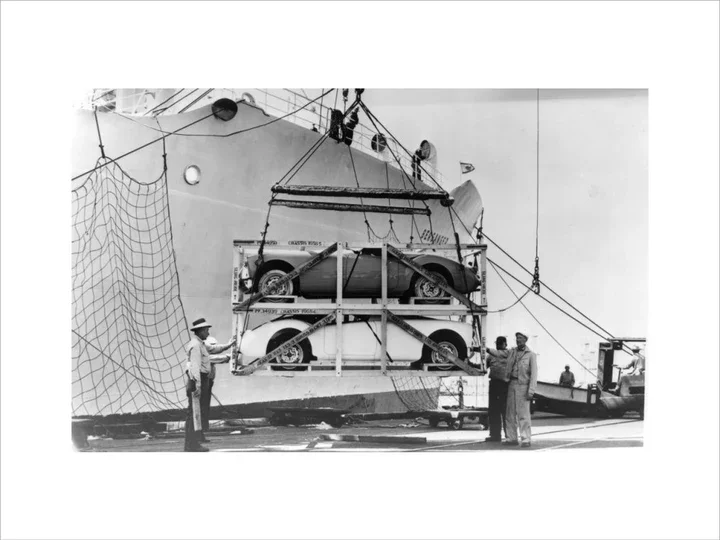
The formula proved hugely successful, particularly overseas, with most cars exported to the United States, where the little British roadster became a symbol of open-road freedom. Its appeal reached far beyond the road, attracting owners such as Elvis Presley, George Best, Bill Wyman, and James Dean.

Of course, it wasn’t perfect. If you’re a taller driver, you may find yourself locking eyes with the top of the windscreen more often than with jealous onlookers, and the weather protection offered by the side curtains was optimistic at best. It may not have been the fastest car of its era, nor the most technologically advanced, but few cars capture the spirit of classic motoring with such effortless elegance. There’s just something wonderfully simple about the way you sit in an MGA. The doors are low, just right for resting an arm along the top as the road passes by, while the large steering wheel sits lightly in your hands. Ahead, the bonnet stretches out in a smooth, uninterrupted curve. Simple, purposeful, and unmistakably sporting.
It encourages a different rhythm of driving, not hurried or aggressive, but calm and unforced, the quiet pleasure of being on the road in a car that feels exactly as it should. And yet, if the mood takes you, a quick drop of a gear along a winding B-road can still improve everyone’s day, the unmistakable sound of a classic British sports car echoing through the countryside.
Perhaps that balance is exactly why the MGA has endured. It was never about outright speed or technical brilliance, but about the simple joy of driving. And decades later, that joy remains just as easy to find.