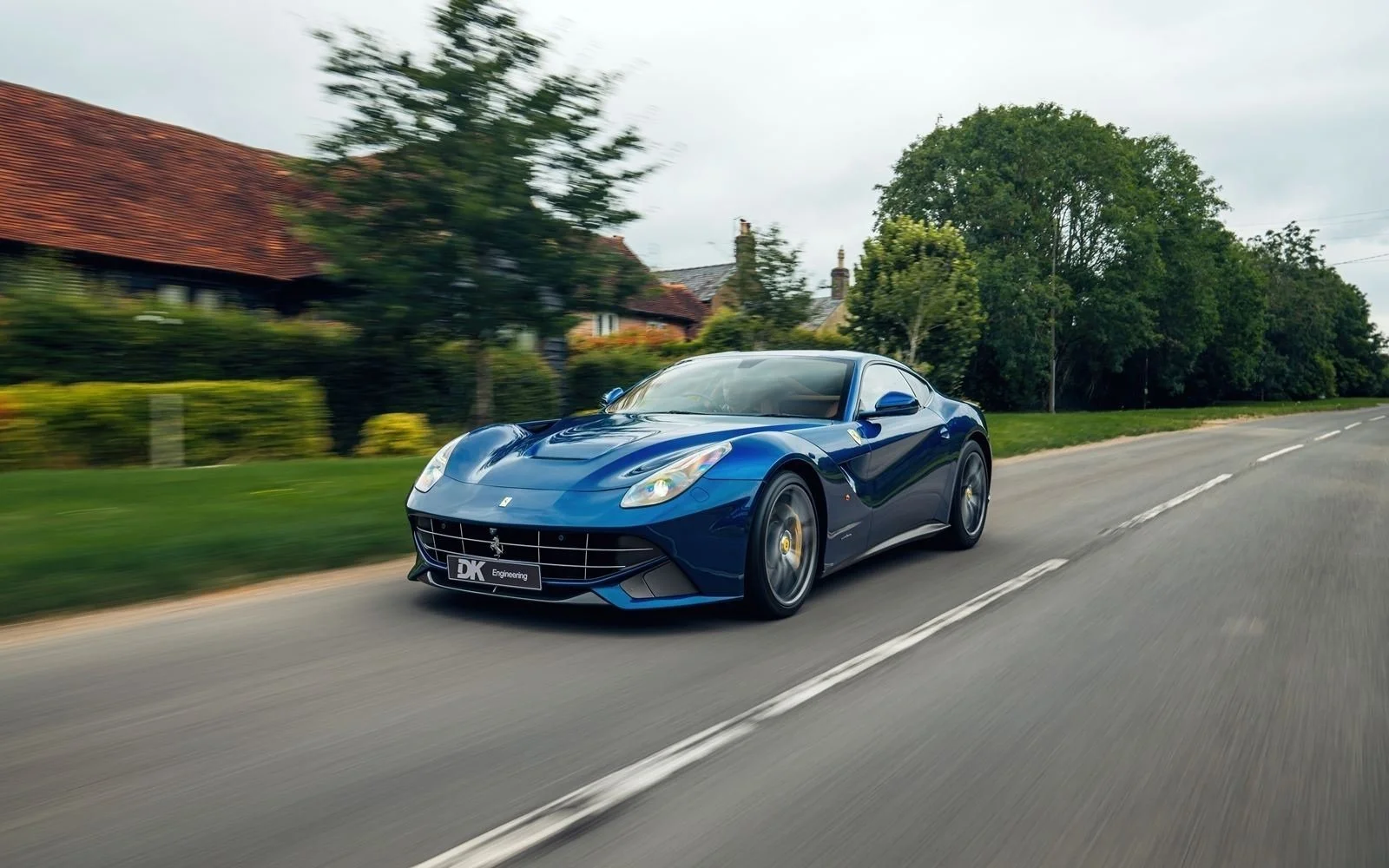
Image by DK Engineering
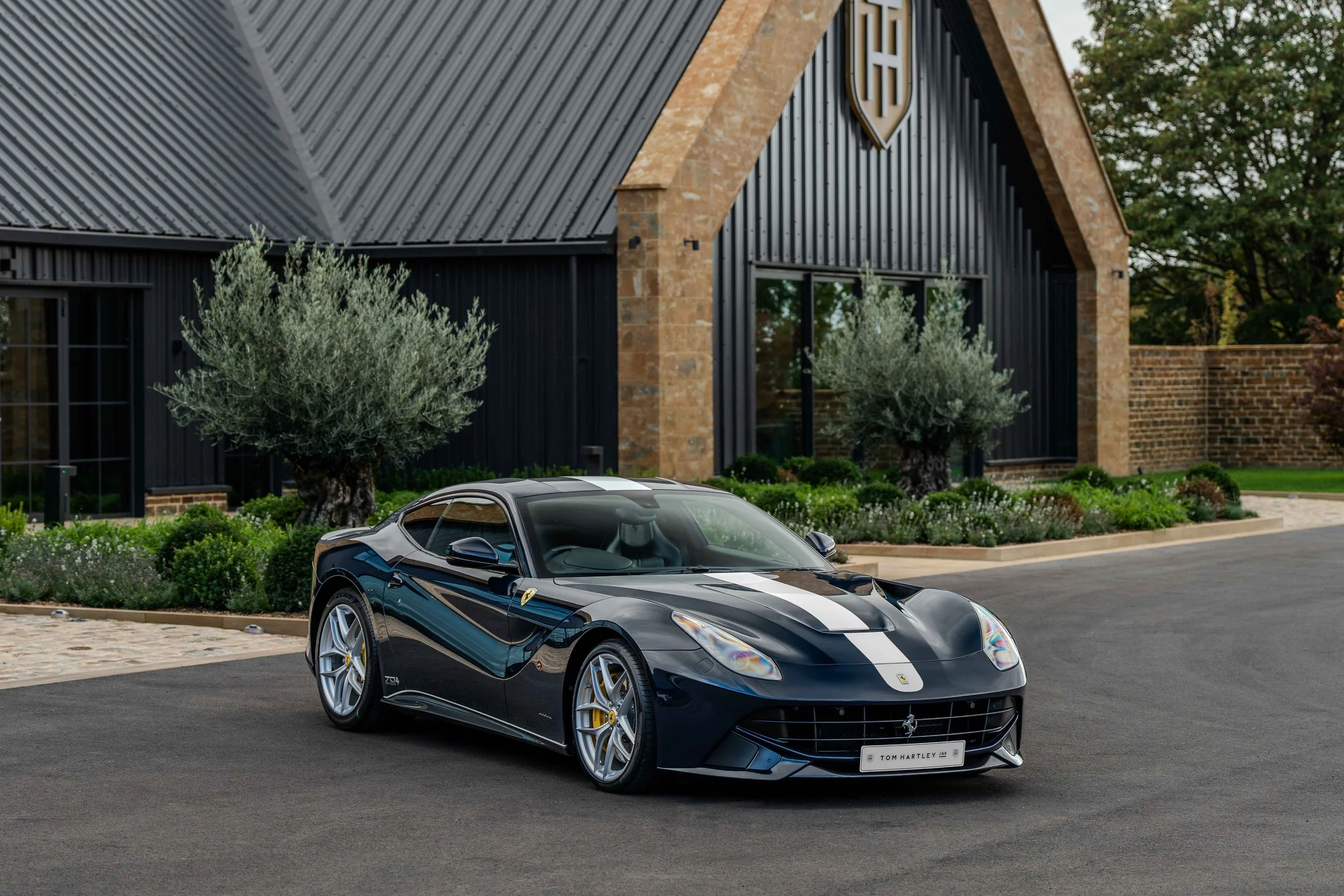
It is early in the morning; the sky is clear and you have somewhere to be on the Côte d’Azur before dinner. There are hundreds of miles ahead, most of them fast, some of them beautiful, and very few of them deserving of an ordinary car. If the task is to cross a country with a sense of occasion, arrive in Saint-Tropez in time for a late drink and step out feeling as though the journey was the point all along, there is one Ferrari I would choose above the rest: the F12berlinetta.
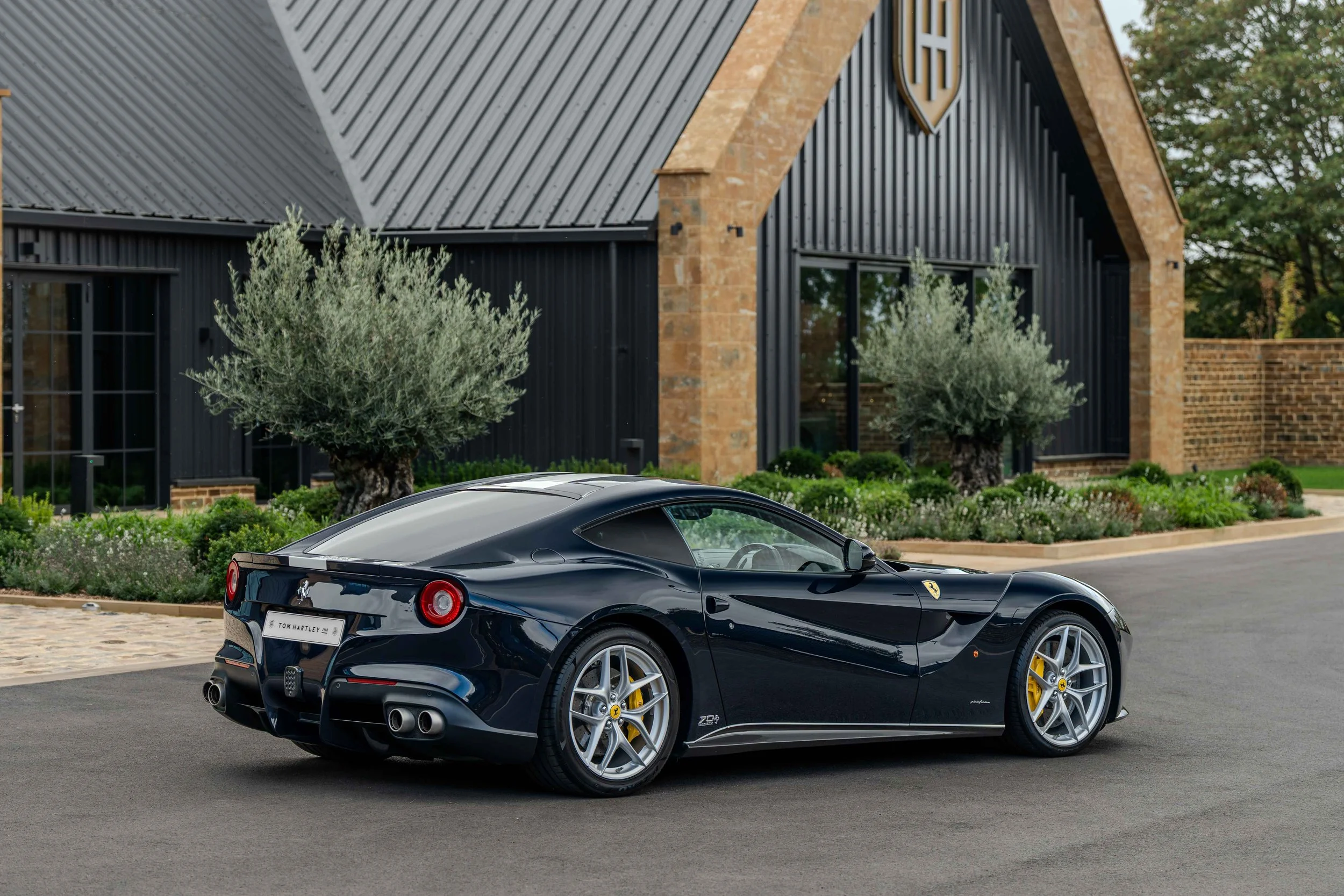
It feels built for exactly this sort of occasion. There is something almost old-fashioned in its proportions, a reminder of a time when Ferrari’s grand tourers were designed to cross countries at serious speed and arrive with their composure intact.
The F12 learned from the greats. In the late 1960s, the 365 GTB/4 ‘Daytona’ offered much the same proposition to another generation. A vast V12 sat beneath a long bonnet, the cabin pushed rearwards, while the body carried little of the visual aggression we now associate with extreme performance. It could exceed 170mph, but the numbers only ever told part of the story. The Daytona was a car for crossing continents quickly and doing so with extraordinary style.
“There is a kind of automotive sprezzatura to the F12, immense capability carried with such ease that it almost looks accidental.”
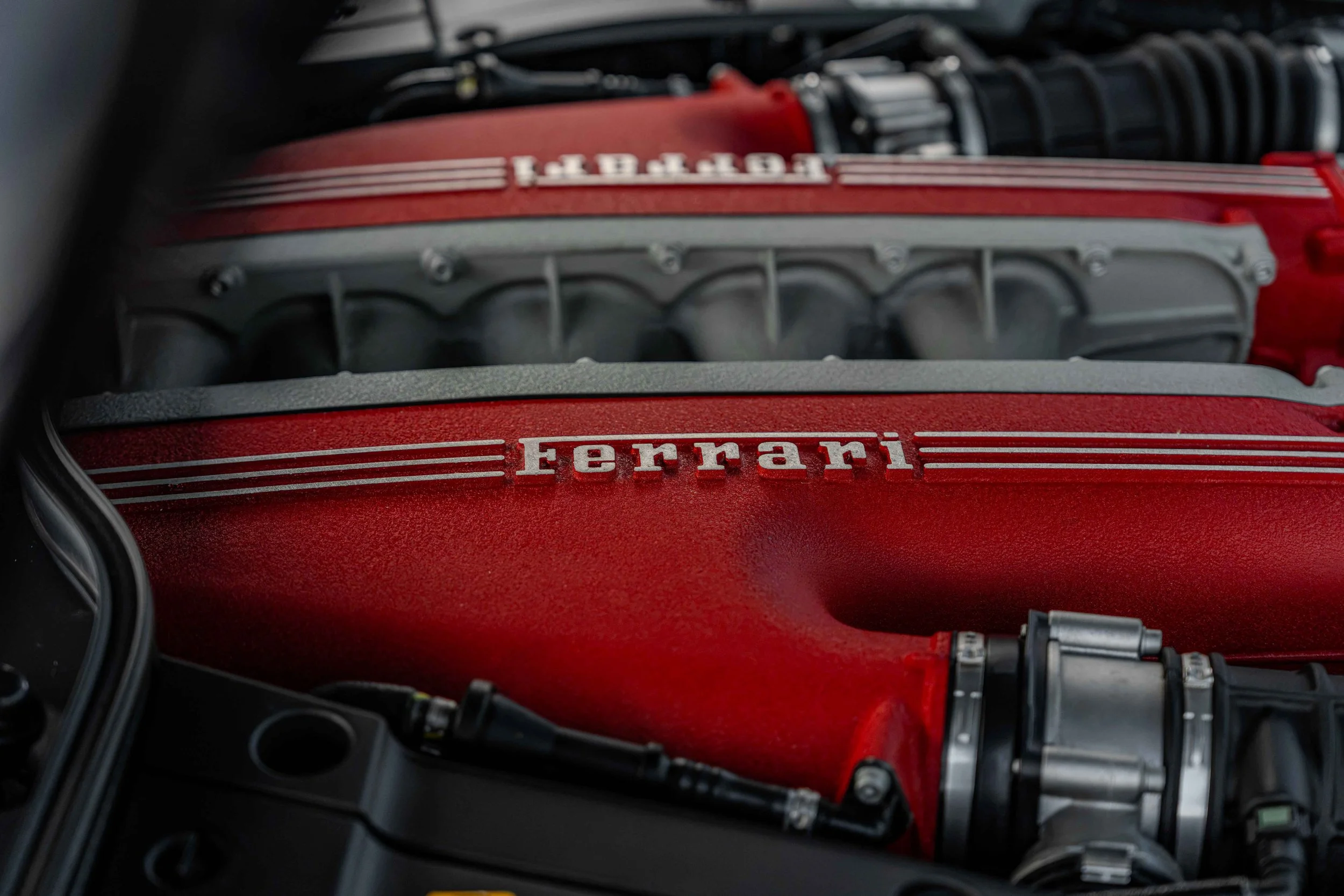
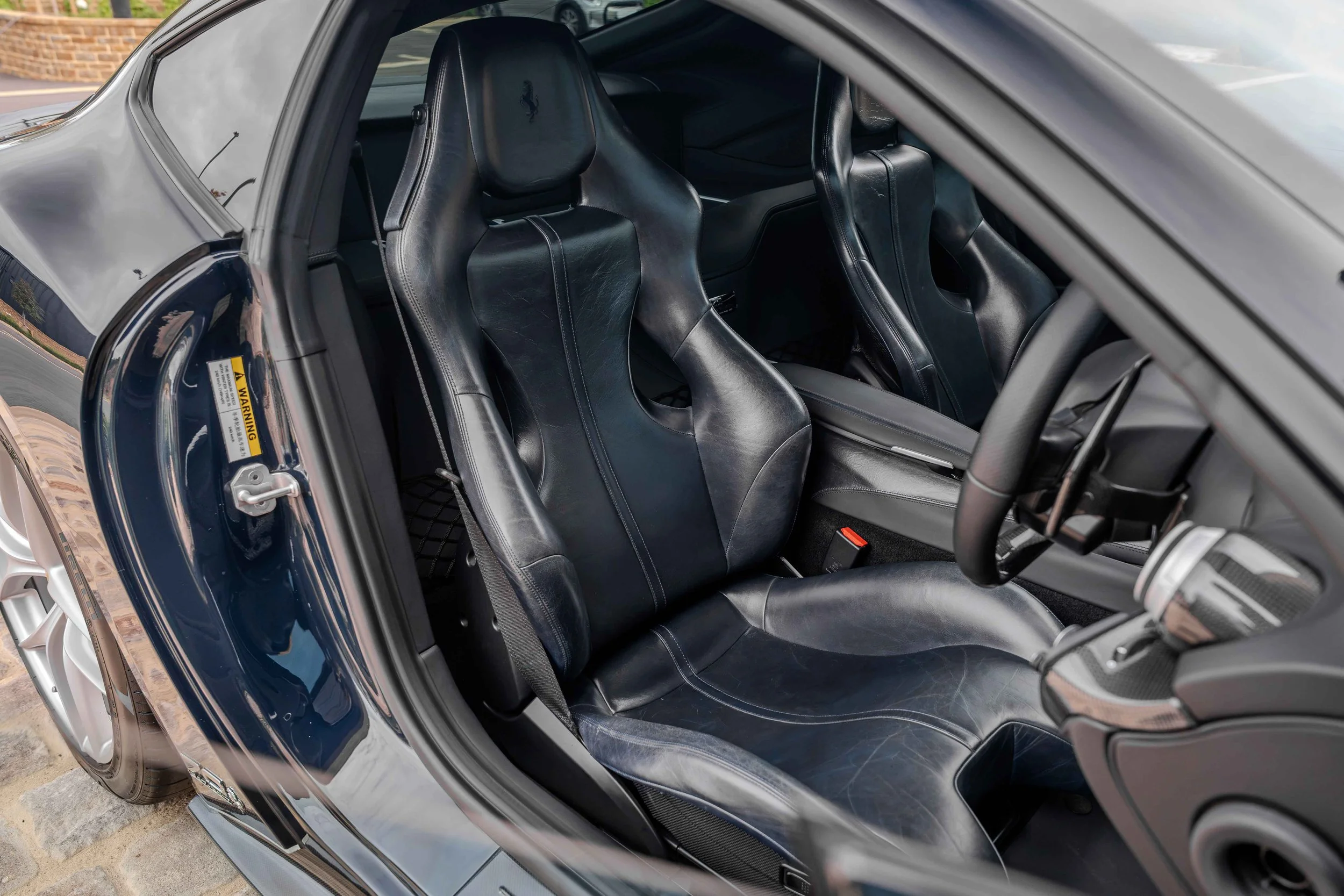
The F12 carries much of that same character. Settle into it and the engine immediately dominates the experience. Its naturally aspirated 6.3-litre V12 is the centrepiece, revving to 8,700rpm and belonging to an era when performance could still feel gloriously mechanical. A few downshifts through the seven-speed dual-clutch gearbox transform the car completely. The note hardens, the revs rise and the sound begins to ricochet from underpasses, buildings and rock faces. It is less an exhaust note than an event, the sort of noise that can stop a conversation even among people with little interest in cars.
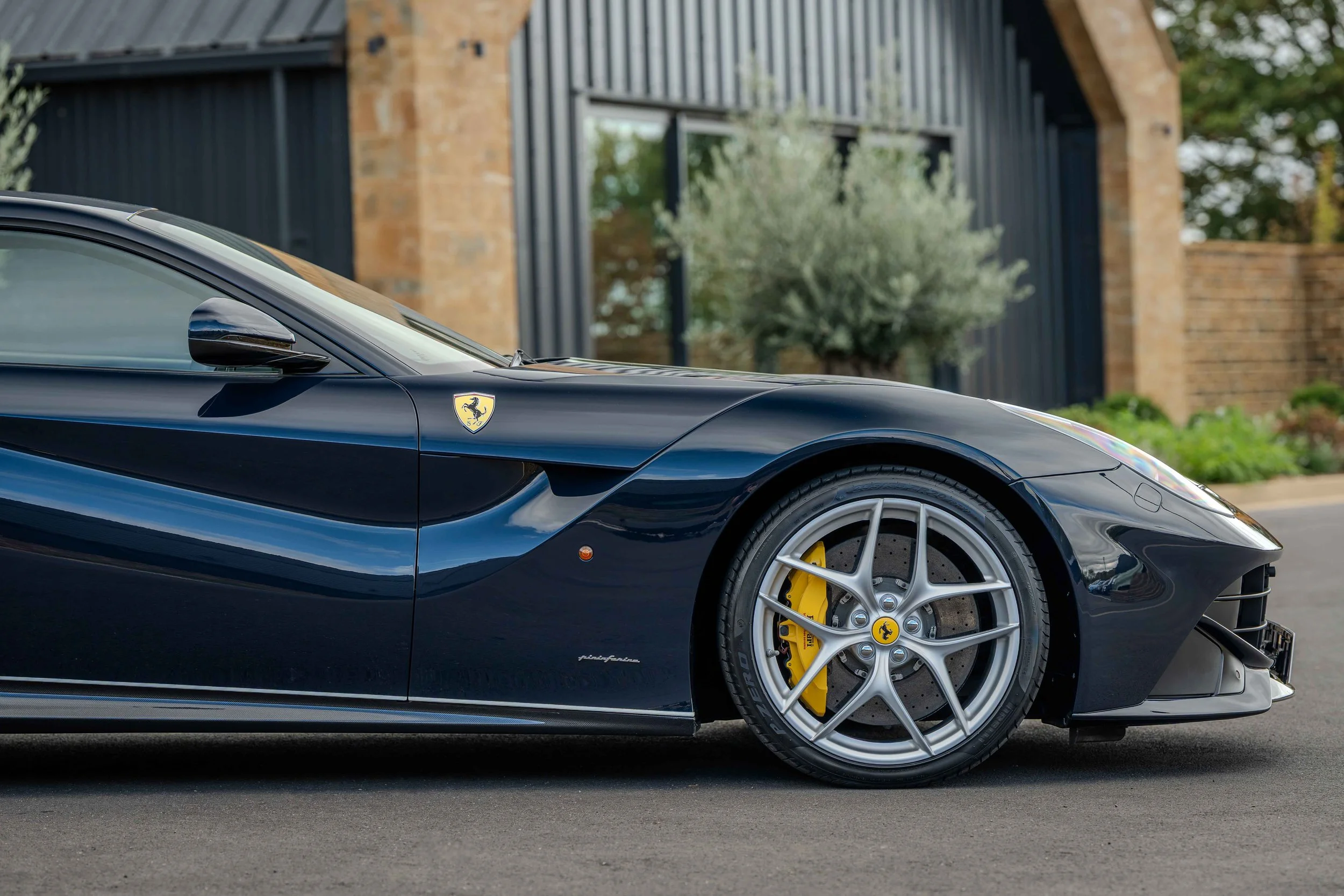
The engine is only part of what makes the F12 so compelling. It arrived at a fascinating point in Ferrari’s design history, as Pininfarina’s long influence began to give way to the company’s increasingly confident in-house language. Developed jointly with Ferrari’s Styling Centre, the F12 sits neatly between those two eras, combining the proportion and restraint of the old world with the aerodynamic thinking that would define the next. With 730bhp to manage, the body had serious work to do, channelling air, extracting heat and generating downforce without becoming visually overloaded. Much of that work was absorbed into the shape itself, most notably through the Aero Bridge, carved into the front wings to guide air along the flanks while preserving the clean proportions of a true grand tourer.
The result is a car of remarkable restraint. The F12 remains brutally fast and remarkably agile yet wears its performance lightly. By the time the road begins to fall towards the Mediterranean, it has revealed exactly what makes it special. It can settle into a quiet rhythm for mile after mile, then turn savage the moment the road opens up. It has enough performance to rival any new supercar, yet enough elegance to arrive outside a hotel without looking as though it has escaped from a pit lane.
There is a kind of automotive sprezzatura to the F12, immense capability carried with such ease that it almost looks accidental.