
The 911 That Broke Its Own Rules
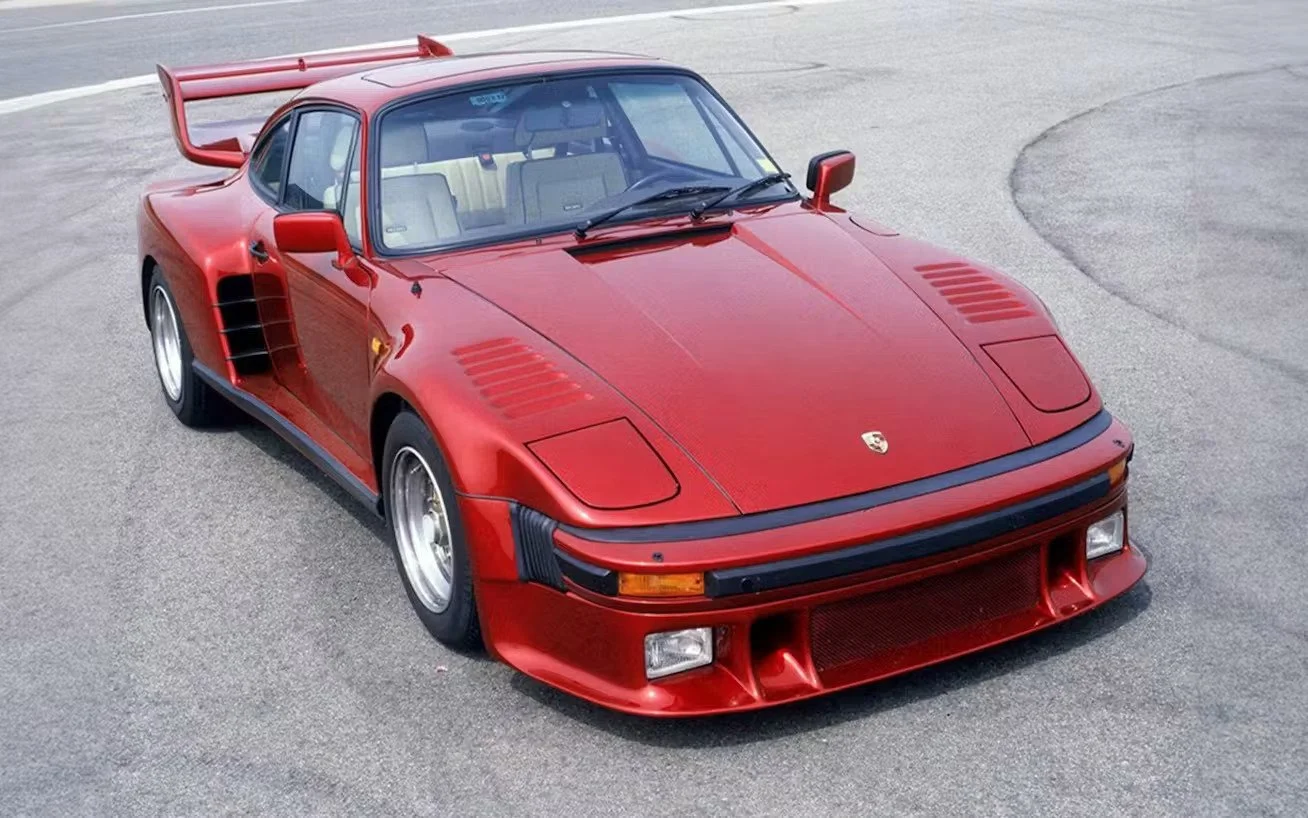
Photo by Porsche
The shape of the Porsche 911 is one of the most recognisable and enduring in motoring. Born partly out of necessity, with its engine hanging out behind the rear axle, its raised wings, round headlights and falling roofline have survived more than sixty years of development. The silhouette has stood the test of time remarkably well and remains every bit as desirable today.
So why would Porsche mess with it? The answer was motorsport.
In 1976, Porsche introduced the 935, a racing car developed from the 911 Turbo for Group 5 competition. The regulations gave Porsche far more freedom with the bodywork. Enter the touch of Mr Norbert Singer, for aerodynamics sake and with his trusty pencil and a ruler he struck away with the familiar headlights and raised wings and drew a flat line from the windscreen to the bumper. In doing so helped create one of the most distinctive Porsche racing cars of the period.
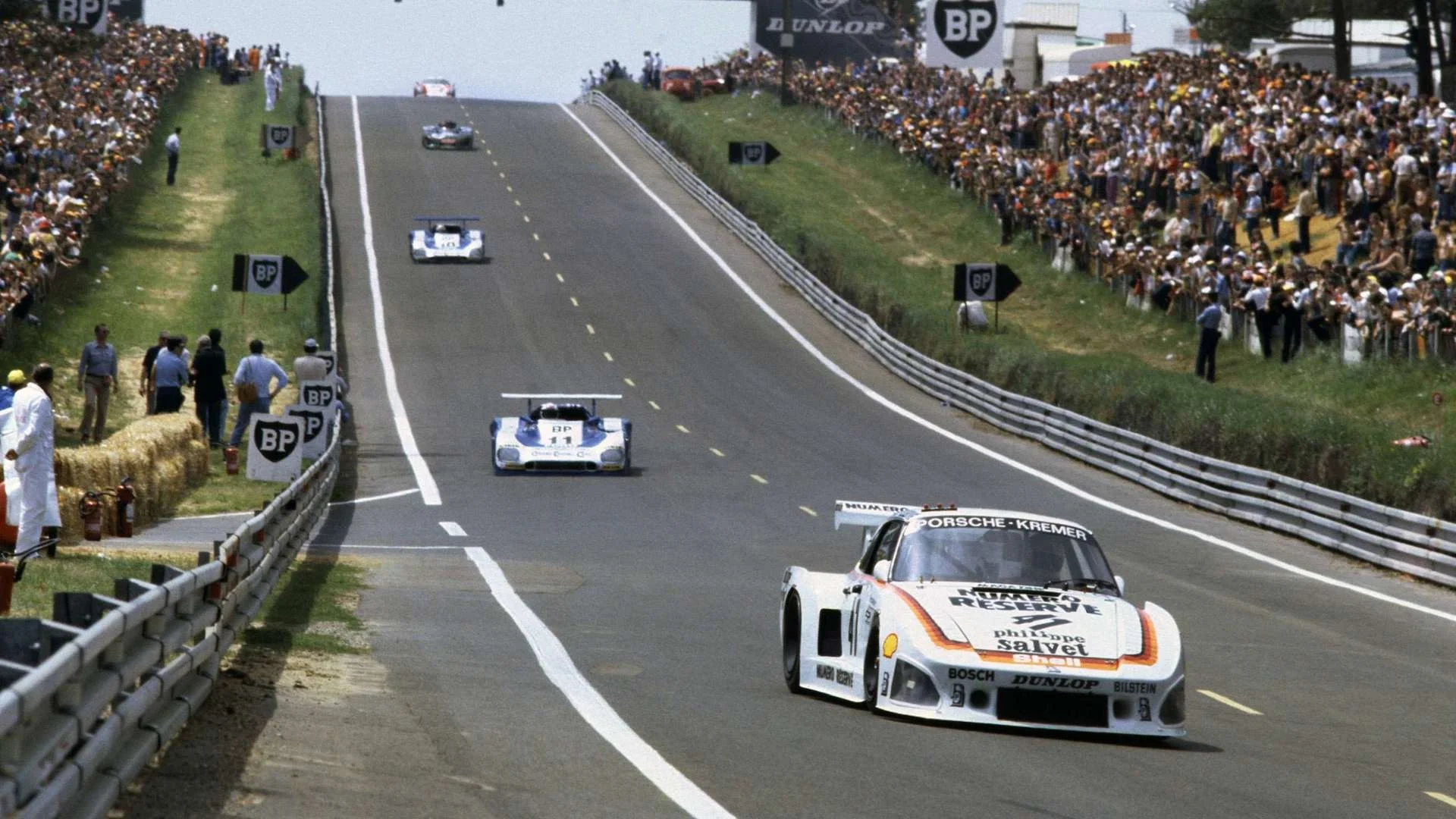
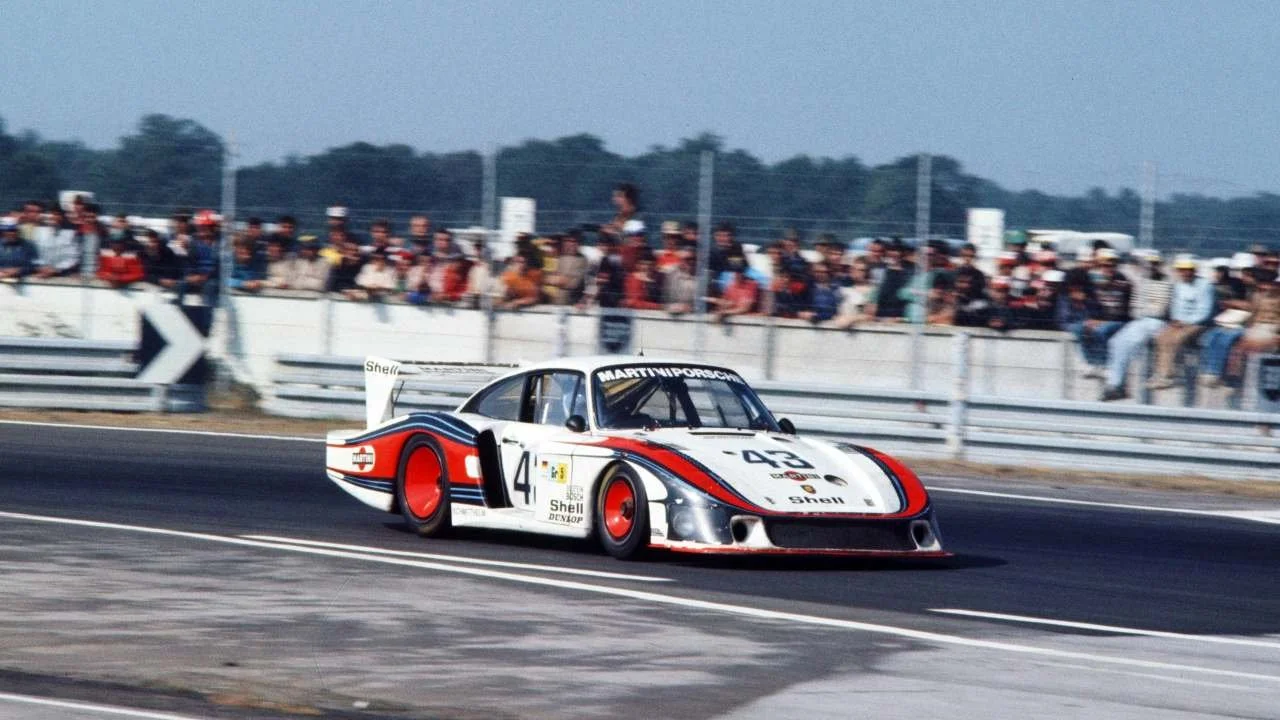
The 935 went on to become enormously successful in endurance racing, winning the World Championship for Makes and, through Kremer Racing's 935 K3, taking overall victory at Le Mans in 1979. Porsche continued pushing the design further, eventually arriving at the extraordinary 935/78 ‘Moby Dick’ with its long, low body stretching the idea about as far as it could go.
Naturally, the customers wanted a piece of the action and through the company’s Sonderwunsch, or “special wishes”, a commission came from TAG owner Mansour Ojjeh, he asked Porsche for something approaching a road-going 935, resulting in the 935 Street: a highly personalised Turbo with dramatically altered bodywork, a tuned engine and a luxurious interior finished in leather and wood.
The idea clearly struck a chord. Porsche began offering the Flachbau through Sonderwunsch before the concept became a more established factory offering later in the decade. What had begun as customers wanting their road cars to resemble Porsche's racers turned into one of the most distinctive versions of the 930.
The original Flachbau disappeared with the 930 at the end of the decade, although Porsche wasn't quite finished with the idea. It resurfaced briefly with the 964 Turbo 3.6 S Flachbau in the 1990s before largely disappearing from Porsche's road cars.
More than forty years after the first cars appeared, Porsche has returned to the idea with the Flachbau RS. Starting with a GT2 RS, Porsche's Sonderwunsch team, engineers at Weissach and Manthey spent almost three years transforming it. The round headlights have gone, replaced by narrow stacked LEDs, while completely redesigned front wings create the low profile of the original. A new GT3 R rennsport-inspired rear wing sits at the back and an already lightweight GT2 RS has lost another 31.6kg. At 340km/h in its high-downforce setting, Porsche says it produces 554kg of downforce over the rear axle and somehow, it remains road legal.
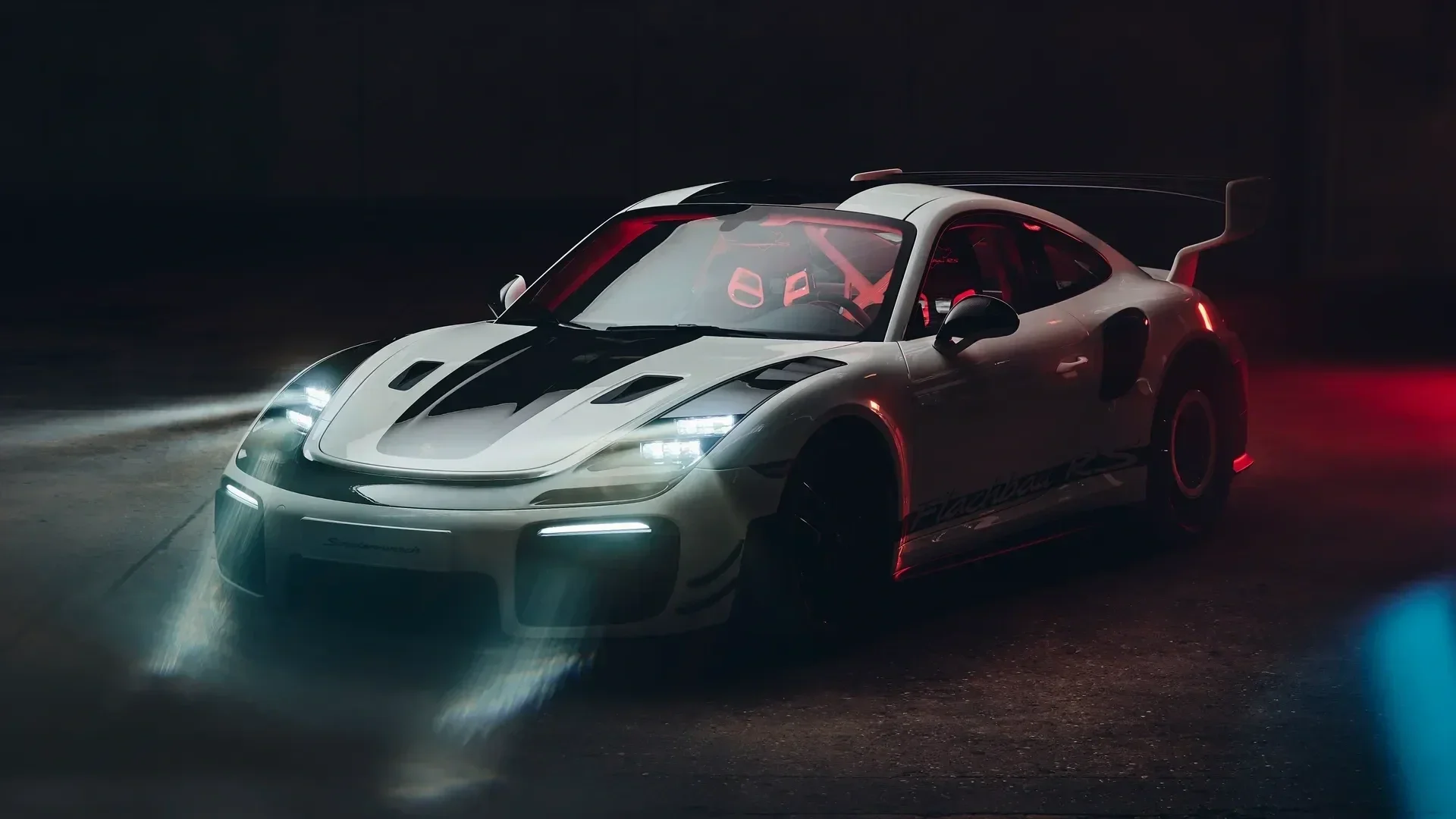
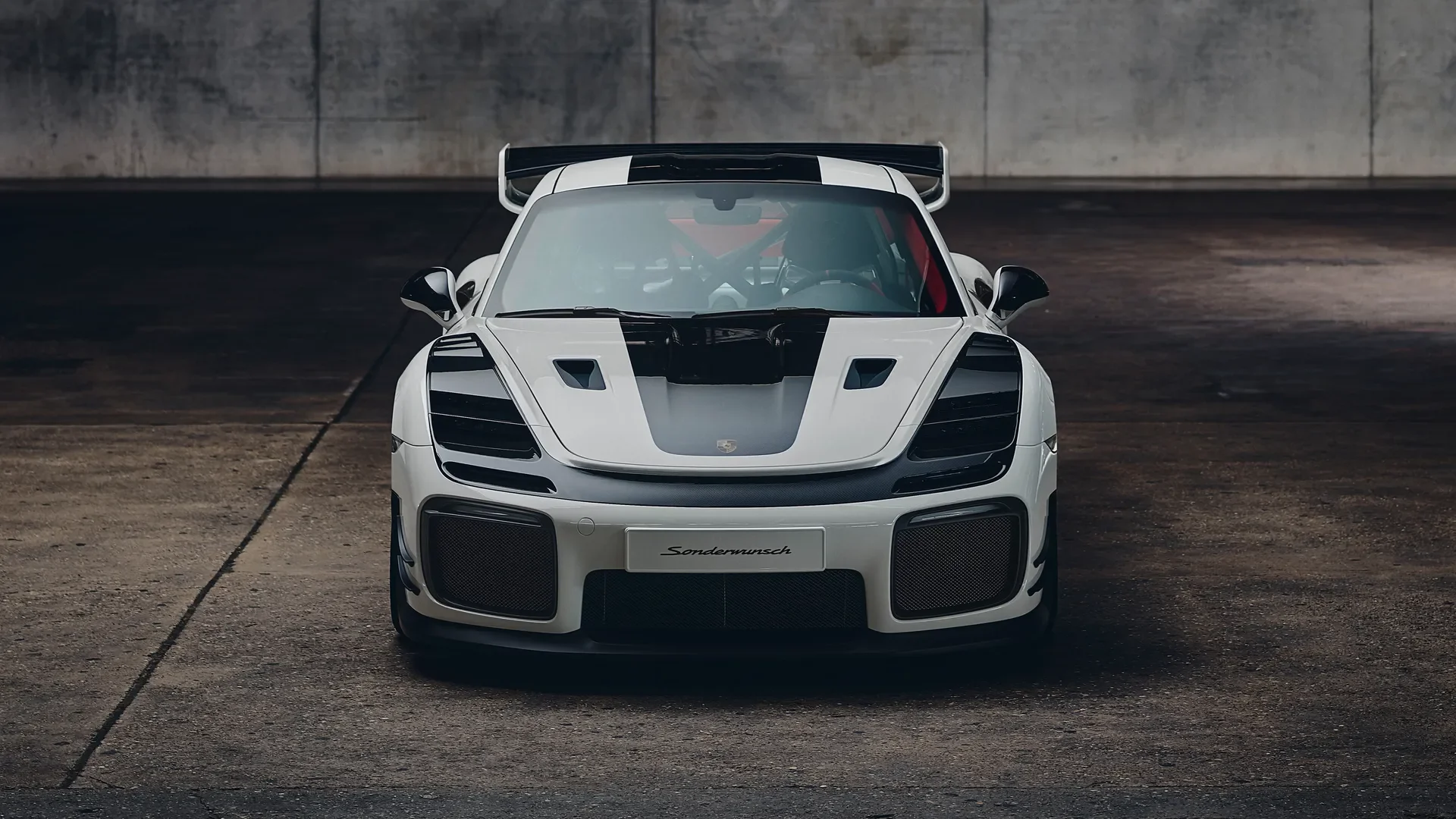
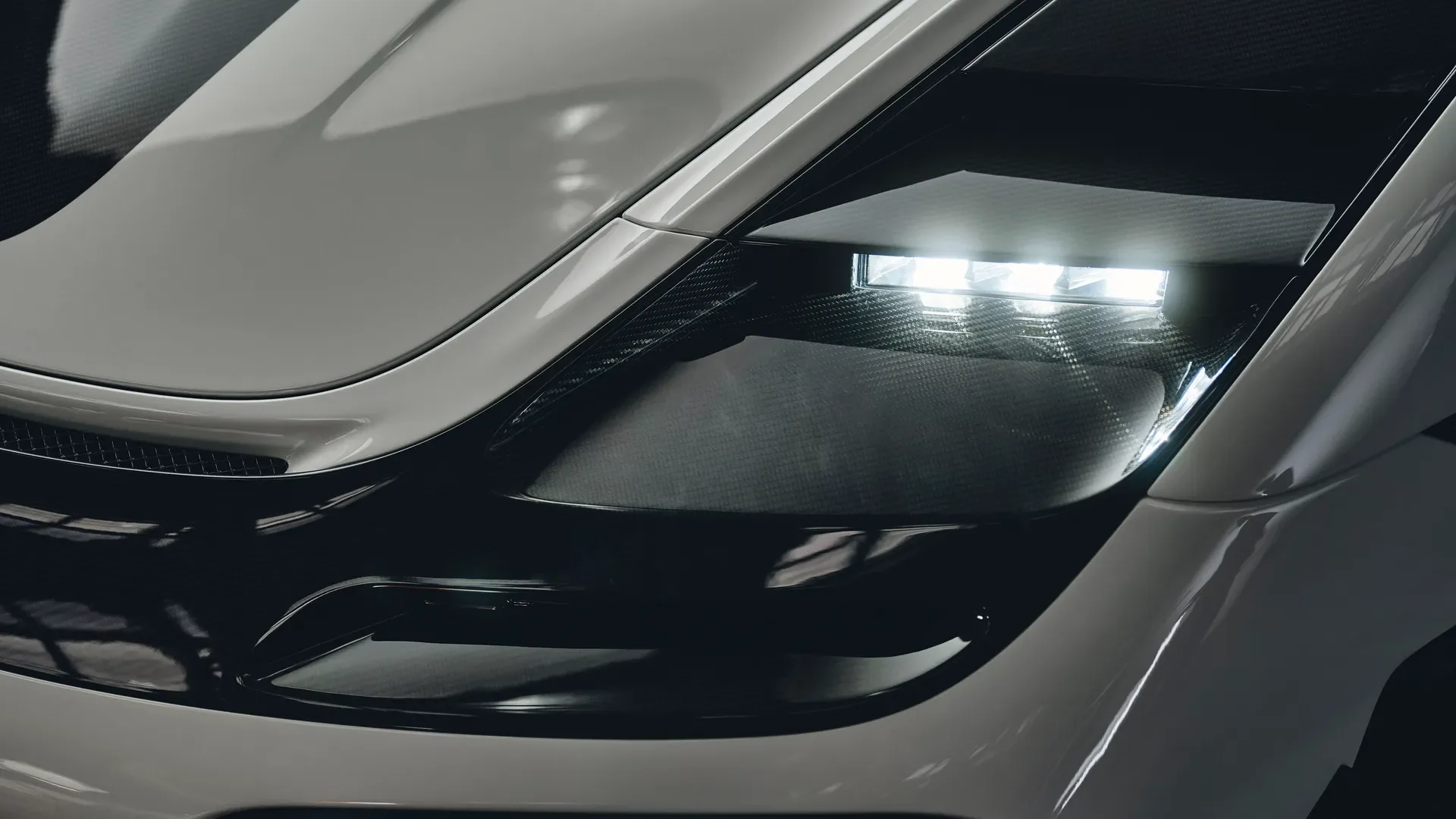
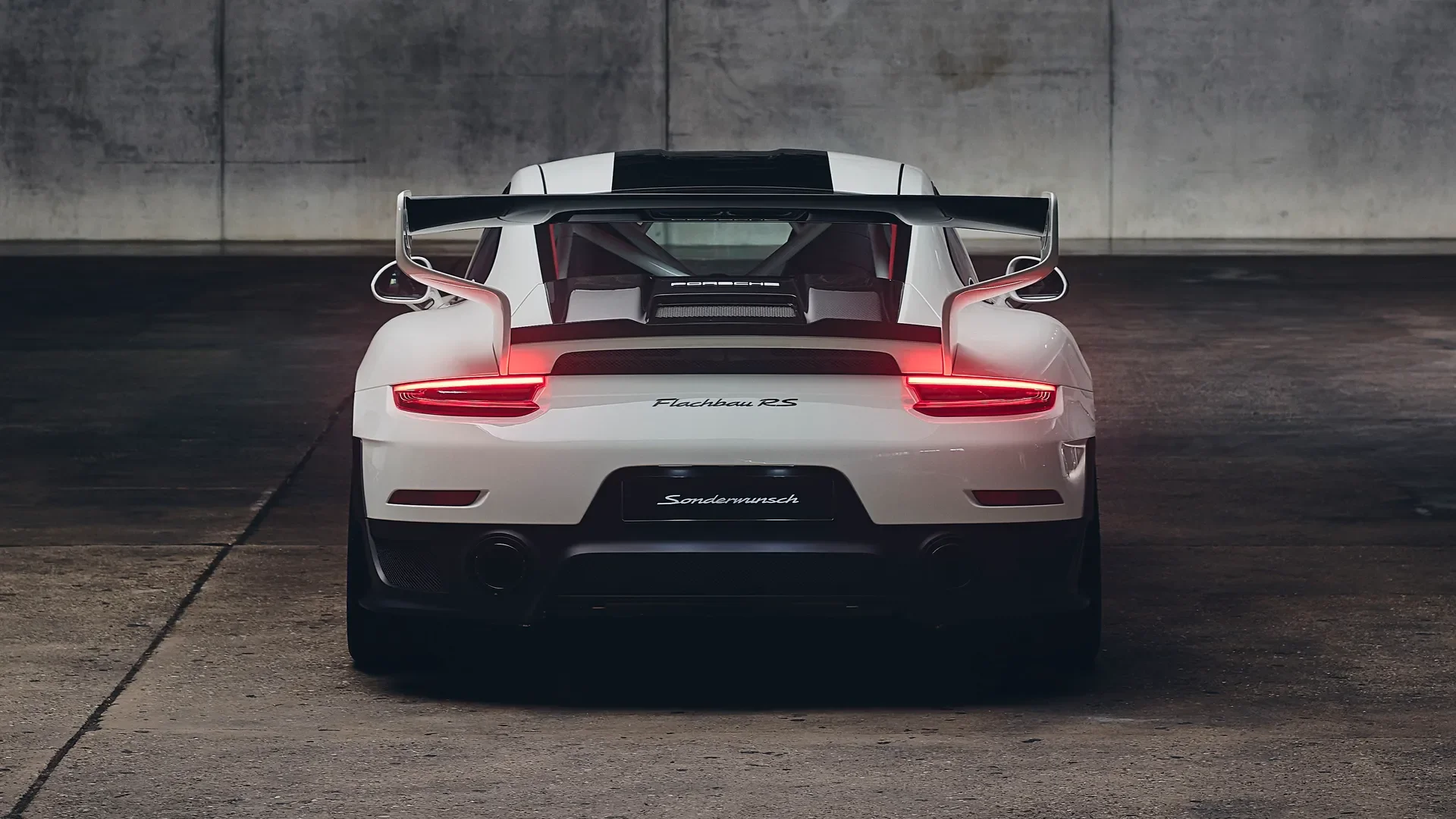
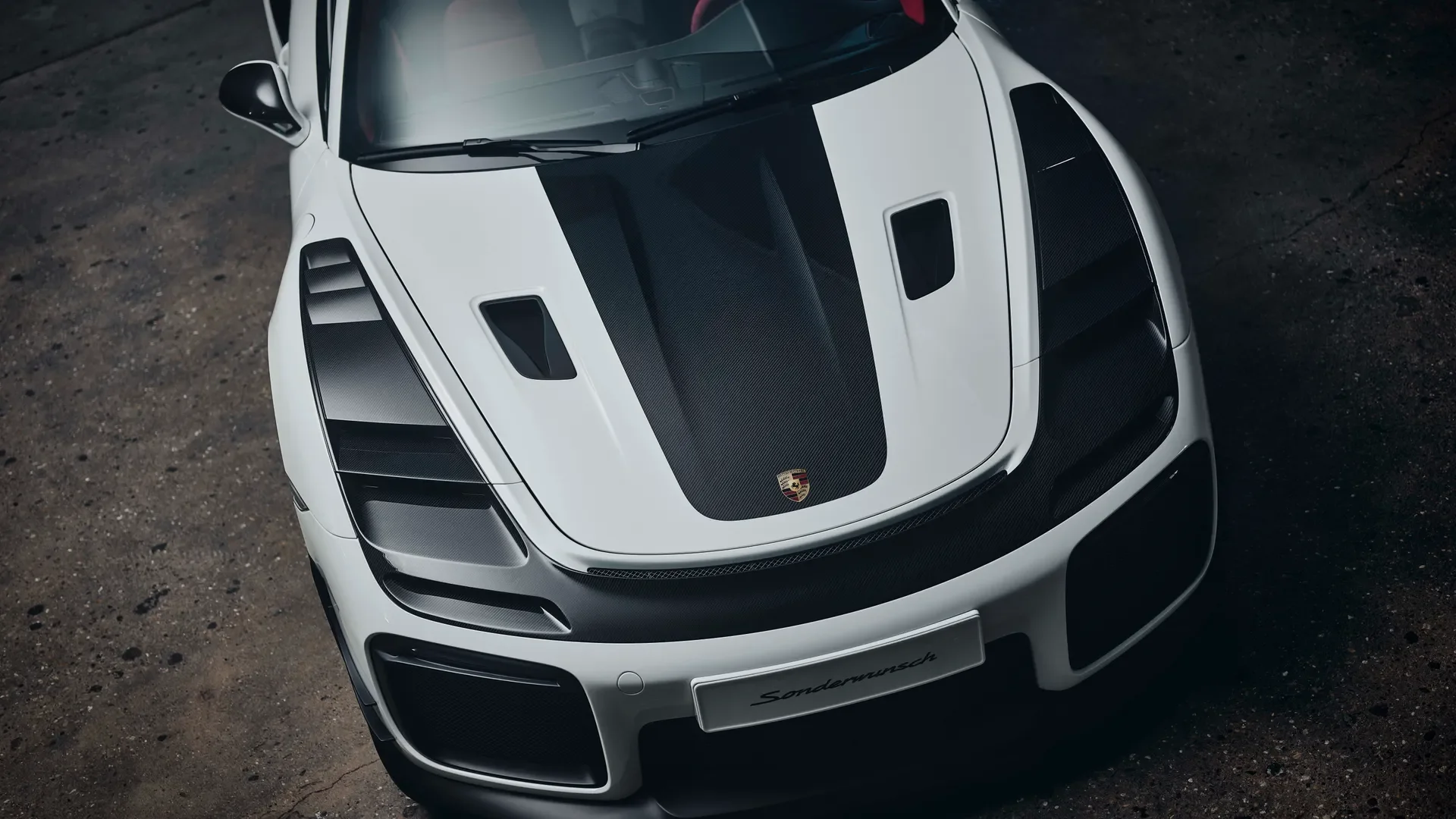
What makes the story particularly neat is how the new car came about. Just like the original, it started with a customer going to Sonderwunsch and asking Porsche to build something outside the normal range. Only this time Porsche wasn't looking forwards, but backwards, returning to a shape that had once been created to look radical and new.
That perhaps says more about the Flachbau than any auction result ever could. What might easily have remained an eccentric product of the 1980s has endured strongly enough for Porsche to return to it decades later.
If ever there were a case for a car ageing like fine wine, the Flachbau makes a convincing one.